Pet Cleaning Tips for Phoenix & Arizona Homeowners
Dogs and cats in Arizona track in desert dust, shed year-round in the heat, and create unique cleaning challenges. Here's how to stay on top of it.
Pet Cleaning Tips for Phoenix & Arizona Homeowners
Pet ownership in Arizona comes with a specific set of cleaning challenges that most general advice doesn't address. The desert climate means dogs track in fine silica dust and caliche (the white mineral soil common across the Valley) on every trip outside. The heat means many dogs and cats shed more heavily and more consistently than they would in cooler climates — there's no real "shedding season" when it's warm year-round. And monsoon season brings mud, wet paws, and a spike in allergens that pet dander compounds.
Here's a practical approach to keeping a clean home with pets in the Phoenix area.
Managing Pet Hair in Arizona's Climate
Arizona pets often shed more than their breed profiles suggest because the body responds to heat by thinning the coat. A Labrador that might shed moderately in Minnesota can shed heavily year-round in Phoenix. Combined with the static electricity that's common in dry desert air (which makes pet hair cling to everything), this creates a persistent cleaning challenge.
Brush your pet outside, frequently. The most effective way to reduce pet hair in your home is to remove it from the pet before it falls off indoors. Brush dogs and cats outside 3–5 times per week during heavy shedding periods. In Arizona, that's most of the year.
Use a rubber broom on tile floors. Most Phoenix homes have tile flooring, and pet hair on tile is best collected with a rubber broom — the rubber creates static that attracts hair into a pile rather than pushing it around. Conventional brooms scatter fine hair and dander.
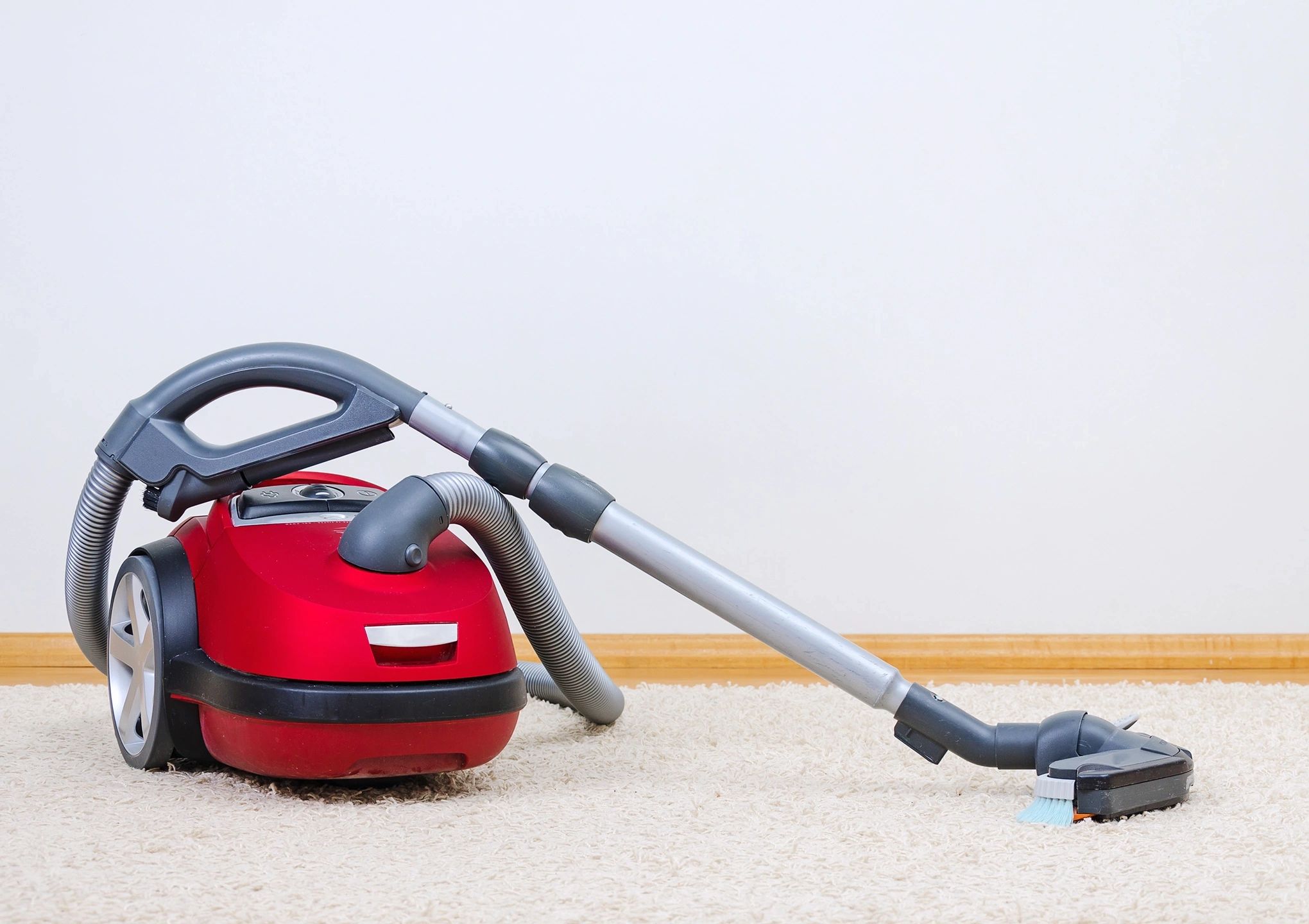
For carpet: A HEPA vacuum with a motorized brush roll is the most effective tool. Vacuum in two directions (north-south, then east-west) to lift hair embedded in carpet fibers from multiple angles. Do this at least twice a week in pet households.
Furniture: A slightly damp rubber glove dragged across upholstery collects pet hair more effectively than most lint rollers. For heavy accumulation, use a stiff-bristled upholstery brush first, then vacuum with the upholstery attachment.
The Desert Dust Problem
Dogs that go outside in Phoenix are walking dust mops. The fine desert soil — particularly the silty caliche common across the Valley — clings to paws and coats and gets deposited throughout your home on every trip inside.
Paw wipe station at every entry. Keep a stack of microfiber cloths or a dedicated paw-cleaning mat at each door your dog uses. A quick wipe of all four paws before the dog comes fully inside removes the majority of tracked-in dust and soil. This single habit makes a bigger difference than almost any other cleaning measure.
Rinse paws after outdoor time in dusty conditions. After walks in particularly dusty areas or after haboobs, a quick rinse with a handheld shower head or a paw-washing cup (a silicone cup with soft bristles) removes what wiping misses.
Wipe down short-haired dogs after outdoor time. A damp microfiber cloth wiped over a short-haired dog's coat removes surface dust before it transfers to furniture and floors.
Odor Control in Arizona Heat
Heat accelerates bacterial growth, which means pet odors develop faster in Arizona than in cooler climates. A dog bed that smells fine in October can become noticeably odorous within days in July.
Wash pet bedding weekly in summer. Use hot water (130°F+) and fragrance-free detergent. Dry completely — in Arizona's dry heat, outdoor drying takes 30–60 minutes and the UV exposure provides additional sanitization.
Baking soda for carpets and upholstery. Sprinkle generously, let sit for 15–30 minutes, then vacuum thoroughly. This neutralizes odor-causing compounds rather than masking them with fragrance.
Enzyme cleaners for accidents. For urine, feces, or vomit on carpet or upholstery, enzyme-based cleaners (Nature's Miracle, Rocco & Roxie) are the only products that actually break down the odor-causing compounds. Conventional cleaners mask the smell temporarily but leave the biological material that causes it — and pets can still smell it, which encourages repeat accidents in the same spot.
Apply enzyme cleaner correctly: Saturate the area (the cleaner needs to reach as deep as the contamination), cover with a damp cloth to slow evaporation, and let sit for 10–15 minutes before blotting. Don't scrub — it spreads the contamination.
Litter Box Management in Arizona Heat
Cat litter boxes in Arizona heat require more frequent attention than in cooler climates. Ammonia from urine volatilizes faster at high temperatures, and bacterial growth accelerates.
Scoop twice daily in summer. Once daily is the standard recommendation, but in Phoenix's summer heat, twice daily makes a meaningful difference in odor control.
Full litter change every 1–2 weeks in summer. Even with diligent scooping, bacteria and odor compounds build up in the litter substrate faster in heat. A full change and box wash with hot water and dish soap resets the baseline.
Location matters. Keep litter boxes in air-conditioned spaces, not garages or laundry rooms that get extremely hot. Heat dramatically accelerates odor development and can make the box aversive to cats.
Floors: The Highest-Impact Area
In a pet household, floors need more frequent attention than in pet-free homes — especially in Arizona where pets track in outdoor debris constantly.
Daily sweep or robot vacuum. A quick daily pass with a rubber broom or robot vacuum prevents hair and dust from accumulating to the point where it becomes a bigger cleaning job. Robot vacuums are particularly effective in pet households — they run daily without effort and keep the baseline level of hair and dust low.
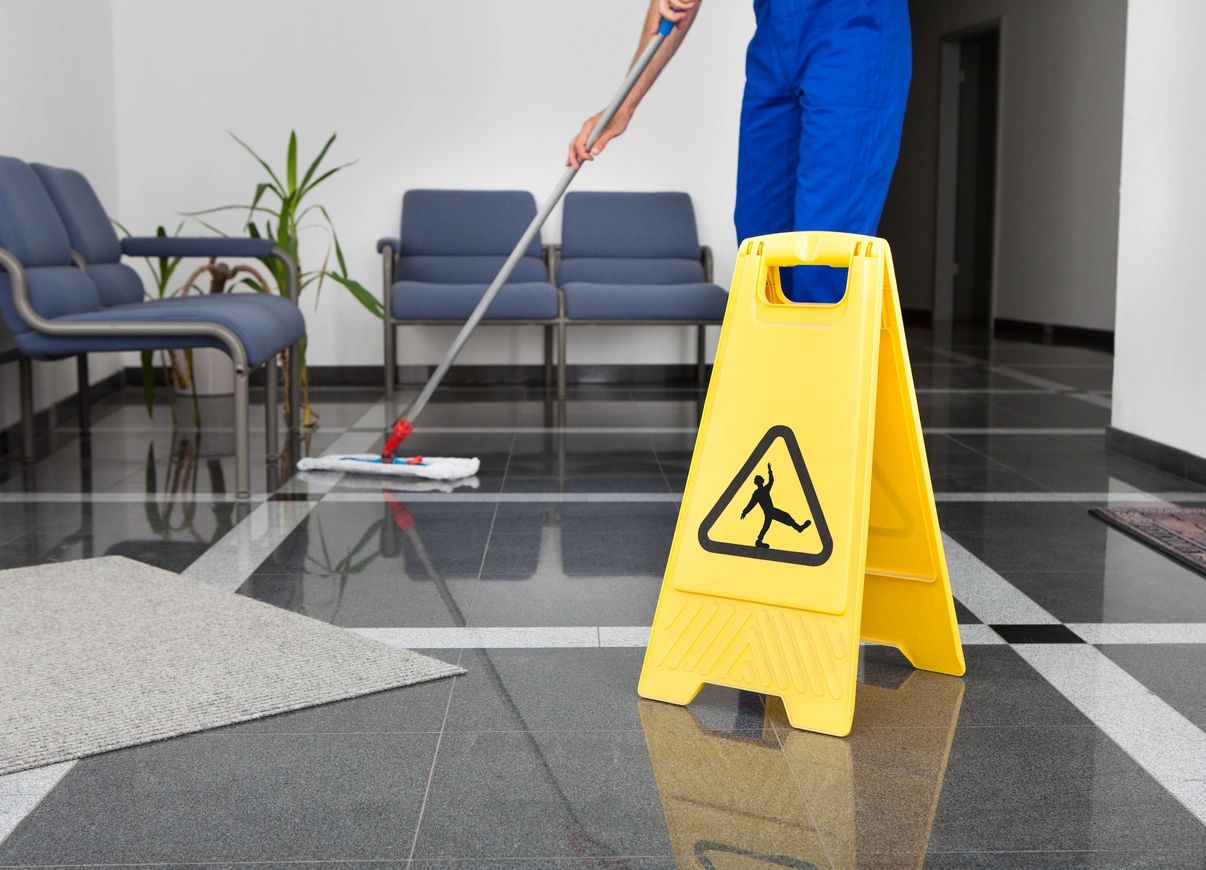
Mop tile floors twice weekly. Use a microfiber mop with warm water and a small amount of pet-safe floor cleaner. Avoid steam mops on unsealed grout — the steam can degrade grout sealant over time.
Area rugs in pet households: Shake out weekly (outside), vacuum twice weekly, and deep clean every 3–6 months. In Arizona, outdoor shaking in direct sun provides UV sanitization that kills bacteria and dust mites.
Air Quality
Pet dander is one of the most common indoor allergens, and in Arizona's dry air it stays suspended longer than in humid climates. Combined with the desert dust pets track in, air quality in pet households can be significantly worse than in pet-free homes.
HEPA air purifiers in the rooms where pets spend the most time make a measurable difference in airborne dander and dust levels. Run them continuously, not just when you notice odors.
Change HVAC filters every 30 days in pet households — more frequently than the standard recommendation. Pet hair and dander clog filters faster, and a clogged filter recirculates allergens rather than capturing them. Use MERV 11 or higher filters.
Professional Cleaning for Pet Households
Pet households benefit from professional deep cleaning more frequently than pet-free homes — quarterly rather than twice yearly. The areas that accumulate the most pet-related buildup (carpet, upholstery, grout lines, baseboards, under furniture) are also the hardest to address with regular home cleaning.
WhatAMaid LLC serves pet-owning households across Phoenix, Scottsdale, Tempe, Mesa, Chandler, Gilbert, and all of Maricopa County. We use pet-safe, non-toxic cleaning products on every job. Our deep cleaning service and recurring cleaning plans are popular with pet owners who want to stay ahead of hair, dander, and desert dust. Book online or contact us with any questions.
Related reading:
- Cleaning tips for allergy sufferers in Arizona — HEPA vacuuming and allergen-reduction strategies that also address pet dander
- Best eco-friendly cleaning products for Phoenix homes — pet-safe, fragrance-free green cleaners for Arizona homes
- How often should you deep clean your Arizona home? — adjusted deep clean frequency for pet households in the desert
Explore Topics
Written by
WhatAMaid LLC
Content creator and writer sharing insights and stories.